
Don’t Underestimate the Importance of Energy Efficiency in Restaurants
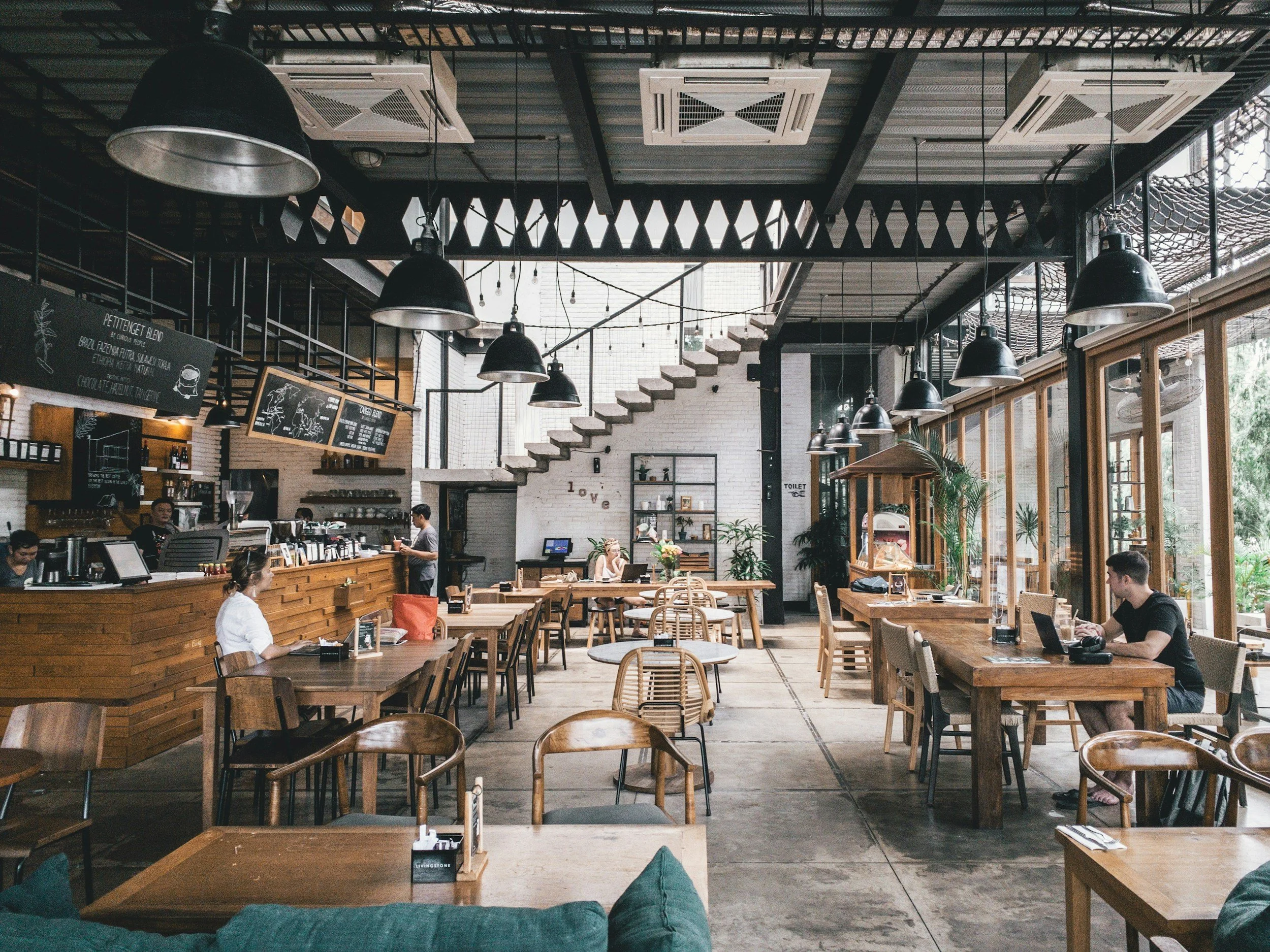
The restaurant industry is known for razor-sharp margins and significant price volatility, not to mention exposure to seasonality and consumer trends that can change at a moment’s notice. Energy efficiency in fast-food, quick-service restaurants, and more traditional dining establishments is an opportunity to unlock operational cost savings and improve margins, often with short payback periods and stellar return on investment.
Whether you’re opening a restaurant or looking to streamline restaurant operations, start by assessing your energy environment with Keen Technical Solutions.
Restaurant Energy Costs Are Rising
While there are considerable differences in energy consumption and average cost per kilowatt-hour based on the type of restaurant and its location, energy is not an insignificant operational expense for restaurateurs.
Restaurant energy costs average 3-5% of total sales and account for 25-40% of a restaurant's preventable waste. Heating, refrigeration, long-term cold storage, and lighting add up quickly; restaurants use 5-7 times as much energy per square foot as most commercial properties.
Commercial energy costs are rising faster than ever, with national utility costs up over 5% year-over-year, with no sign of stabilizing any time soon.
How to Reduce Energy Consumption in Restaurants
Reducing energy consumption in restaurants starts with a careful evaluation of ongoing operations and equipment. The most effective energy-efficiency improvements take an iterative, systemic approach that combines strategic upgrades and improved practices to reduce energy costs.
Our in-depth commercial energy audits offer a comprehensive view of your restaurant’s gas and electricity use by:
Gathering energy usage data. We will review your restaurant’s energy use over the past several years using utility bills, equipment records, and additional audits.
Monitoring energy usage patterns. We’ll look at hourly and daily variations in your facility’s energy use, including peak energy usage times or spikes by specific pieces of equipment.
Site assessment. We will inspect and assess your facility, equipment, and infrastructure to identify necessary repairs, upgrades, or the most cost-effective opportunities.
Planning and implementing improvements. We’ll draft an energy-efficiency plan and implement improved components using the best possible materials. We’ll train your team, monitor progress, and provide follow-up reporting.
The Best Ways to Reduce Energy Waste in Restaurants
Energy-intensive operations present the best opportunities to lower energy consumption in restaurants. As you’d expect, these are heating, cooling, and lighting systems; here’s where to start.
Upgrade cooking equipment: Old commercial stoves and ranges aren’t designed to be energy efficient. Choosing new energy-efficient appliances will lower utility bills and reduce maintenance costs or revenue lost to downtime.
Go LED: The right commercial lighting solution improves the dining experience, enhances employee safety, and significantly lowers your facility’s lighting expenses.
The Benefits of Improving Energy Efficiency for Restaurateurs
Investing in your restaurant’s energy efficiency is a smart way to offset unexpected energy price volatility and the impact of significant increases in supply chain costs. Reducing waste unlocks margin, improves your business's viability and sustainability, and lowers exposure to unforeseen price increases.
Don’t Leave Money on the Table
Protect your restaurant’s future with a detailed commercial energy audit with Keen Technical Solutions. We’re northern Michigan’s leading energy consultancy, bringing over two decades’ worth of industry expertise and flexible, creative thinking to every project. We’ll help you design and implement an energy efficiency program, access grants and tax incentives, and put all the pieces together as your dedicated contractor. Contact our team today to speak with an energy consultant and get started!