
Administration Delays EPA Rules on Hydrofluorocarbons
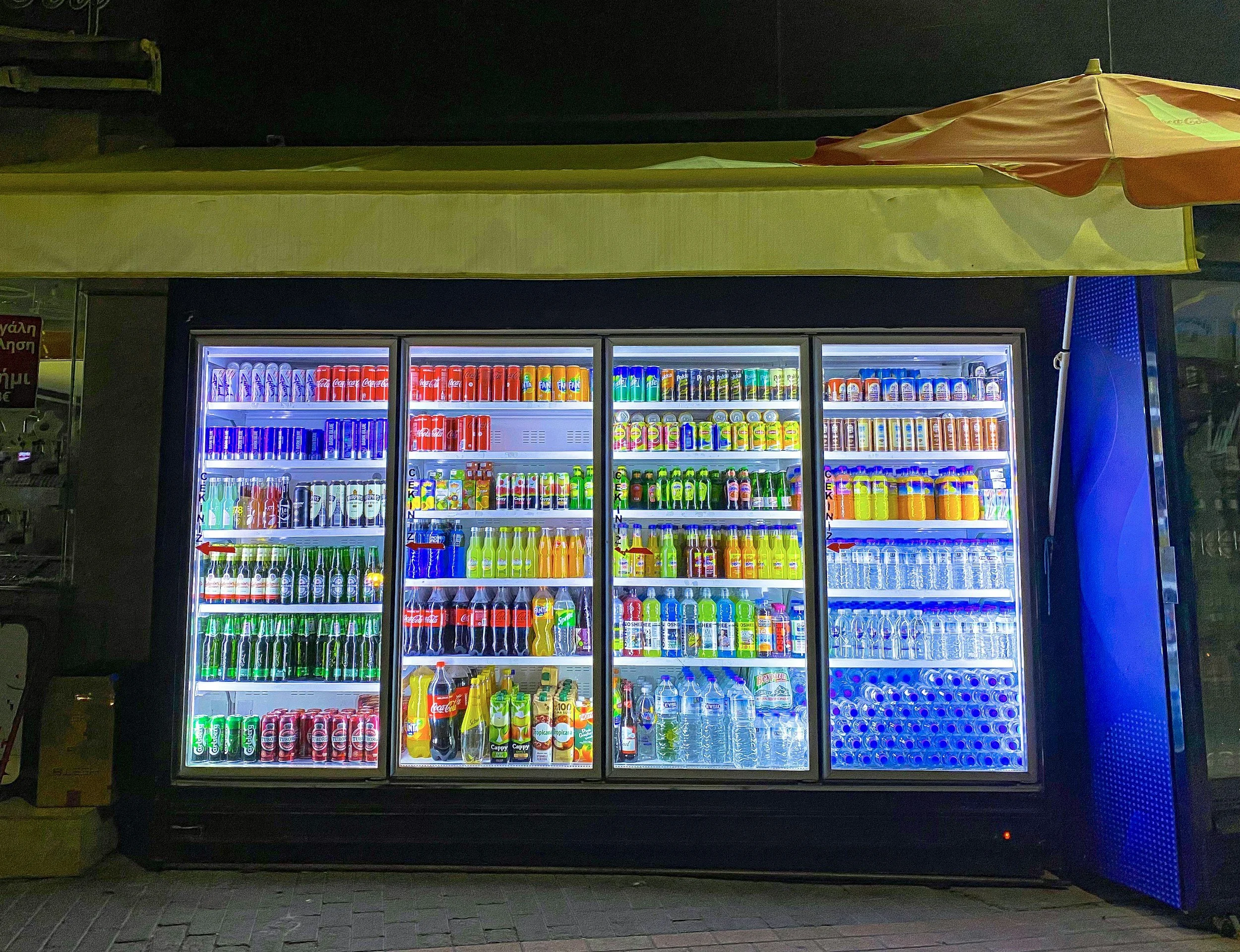
The administration announced plans to delay two Environmental Protection Agency rules for refrigerants. In an effort to rein in rising energy costs across a range of industries reliant on commercial refrigeration, the administration claims it will help keep rising grocery prices in check.
Refrigerant Regulation Whiplash
The move comes just three years after the 2023 Technology Transitions Rule established deadlines for grocery stores and other companies to phase out refrigeration systems using climate-damaging hydrofluocarbons.
The administration will also amend the 2024 Emissions Reduction and Reclamation program to exempt road refrigerant applications from leak requirements pertaining to hydrofluorocarbons, with the intention to save trucking and transportation companies up to $1.5 billion.
The regulations were intended to offset HFC emissions by a carbon dioxide-equivalent of 876 million tons through 2050, driven by over $55 billion in climate change mitigation and operational savings.
What Are Hydrofluorocarbons?
Also known as HFCs, hydrofluorocarbons are a group of synthetic gases used in cooling and refrigeration applications. HFCs are short-lived but extremely damaging climate pollutants with an atmospheric lifespan of approximately 15 years. HFCs represent 2% of current greenhouse gases in the atmosphere, but their impact on global warming is thousands of times greater than that of carbon dioxide per unit of mass.
At 10% annually, HFCs are among the fastest-growing greenhouse gases on the planet, especially in developing nations. Fortunately, there are many alternatives to hydrofluorocarbons with significantly less environmental impact. Efforts like the Kigali Amendment, which is projected to have lowered emission rates by 20%, hope to curtail HFCs worldwide, but more action is needed.
An Effort to Lower Grocery Prices
The administration claims that delaying the HFC rule implementation will save grocers $800 million in upgrade or replacement costs. However, no grocery stores have made any binding commitments to pass the savings on to the consumers. While national retailers like Kroger, Piggly Wiggly, and others supported the move, none have announced plans to lower prices in response to the announcements.
April’s consumer price index increased to 3.8% in April 2026, the largest annual increase since 2023. Grocery prices rose 2.9% annually and 0.7% from the previous month.
Read More: How to Improve Grocery Store Profitability
Find Out What It Means For Your Team
Learn more about the operational impact of refrigerant regulation changes with expert insights from Keen’s energy consultants. As one of Michigan’s most experienced commercial energy experts, we’ll help you understand your system, decode changing compliance and codes, and make strategic investments in the future of your company. Contact our team today and take control of your energy future with Keen Technical Solutions.