
A Guide to Commercial Ductless Mini-Split Systems
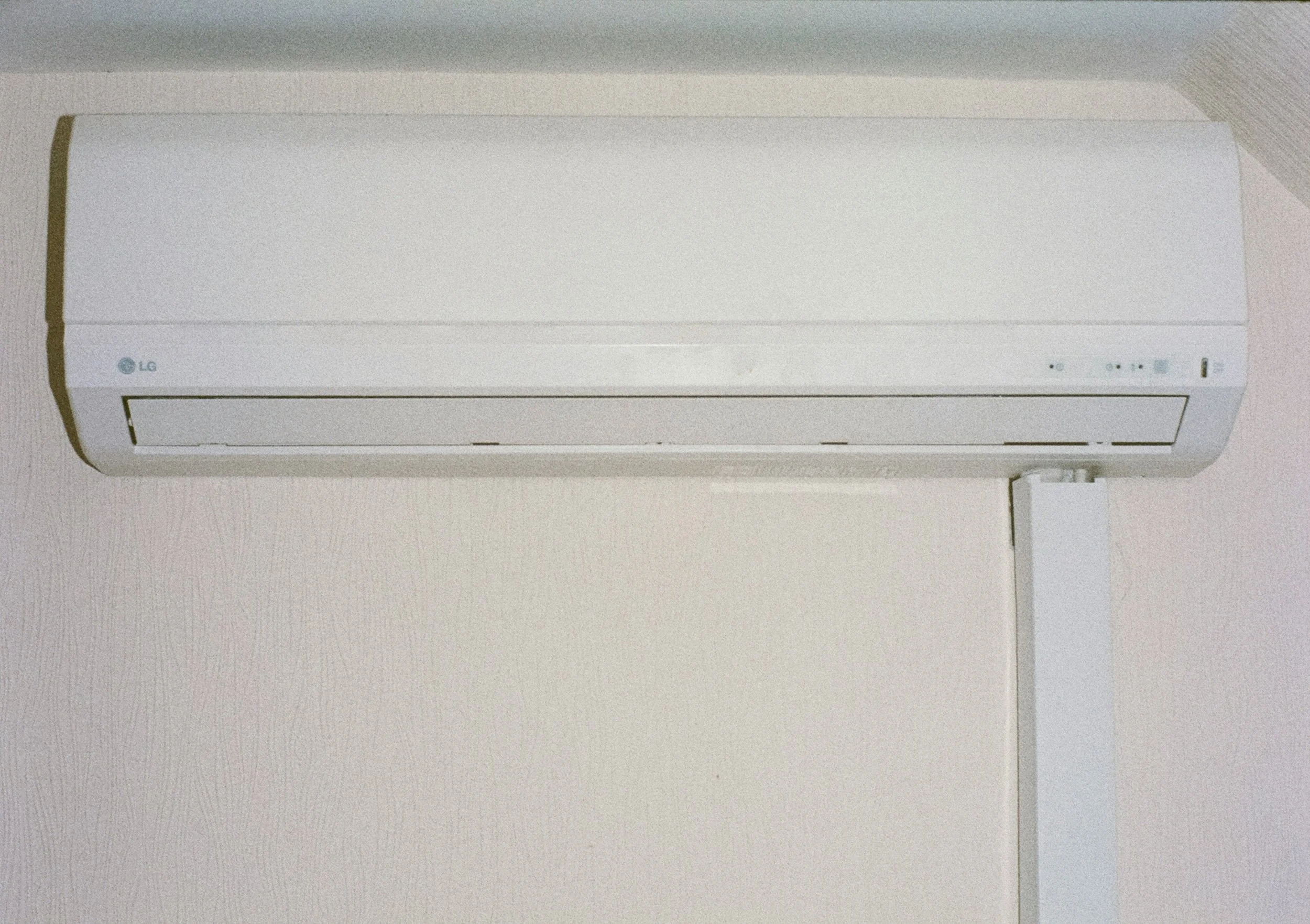
There is a reason HVAC contractors increasingly lean toward commercial ductless mini-split systems. Across applications, these heating and cooling units offer cost-effective HVAC solutions with impressive efficiency improvements over traditional systems. For building owners and facility managers comparing HVAC options ahead of a renovation, remodel, or new build, this short guide to commercial ductless mini-splits offers a range of use cases worth reviewing.
What Is a Ductless Mini-Split?
Both residential and commercial mini-splits offer a ductless alternative to traditional heating systems. Instead of a central furnace and air conditioning system pushing conditioned air through ducts, a ductless system uses one or more indoor air handlers to customize climate conditions in specific rooms.
How Ductless Mini-Splits Work
A commercial mini-split system includes a few key components:
An outdoor unit houses the compressor and condenser. This extracts ambient heat from the outdoor air in winter or releases indoor heat in summer.
A line set connects the indoor blower and outdoor unit through a 3-inch hole in the wall.
The indoor air handlers are mounted on the interior wall of the space they’re designed to cool or heat. They draw indoor air over coils and blow treated air back into the room.
The Benefits of Commercial Mini-Splits
This modular design offers business owners several benefits.
Control. Each unit has its own thermostat, allowing each room occupant to control the temperature.
Efficiency. Pushing treated air through ductwork is inefficient and results in roughly 30% waste. The short lines between indoor and outdoor mini-split units significantly reduce temperature loss and conserve energy.
Minimal impact. Installing ductwork and massive commercial rooftop heating and cooling units is expensive and requires significant square footage.
Application-specific. Designing a single-unit or multi-unit system enables targeted applications, such as conditioning areas that are often hard to heat or cool.
Mini-Split vs. Central Air for Commercial Office Spaces
Mini-splits will be less expensive for more retrofits and renovations, but central air is the better option for most new builds, with building size a major factor in the equation. Especially for projects like historic buildings with exposed brick or concrete, mini-splits are easier to install and much less visually disruptive.
Repairs and maintenance are important considerations for building owners as well. One of the benefits of mini–splits is redundancy; if one unit fails, other units will keep working. Mini-splits do require more frequent cleaning (usually every few weeks), while central air usually only needs seasonal attention.
Mini-splits are ideal for many applications, especially if:
Your building lacks enough plenum space for ductwork
Your building has many small, subdivided spaces and offices
You have multiple tenants and different usage requirements
Find Out If a Commercial Mini-Split Is the Right Fit
Keen Technical Solutions offers a range of energy efficiency solutions, including commercial mini-split services in Traverse City and across Michigan. Our highly-trained energy experts bring experience and a range of options to suit your facility’s changing needs. Schedule an assessment with one of our energy consultants today to get started!