
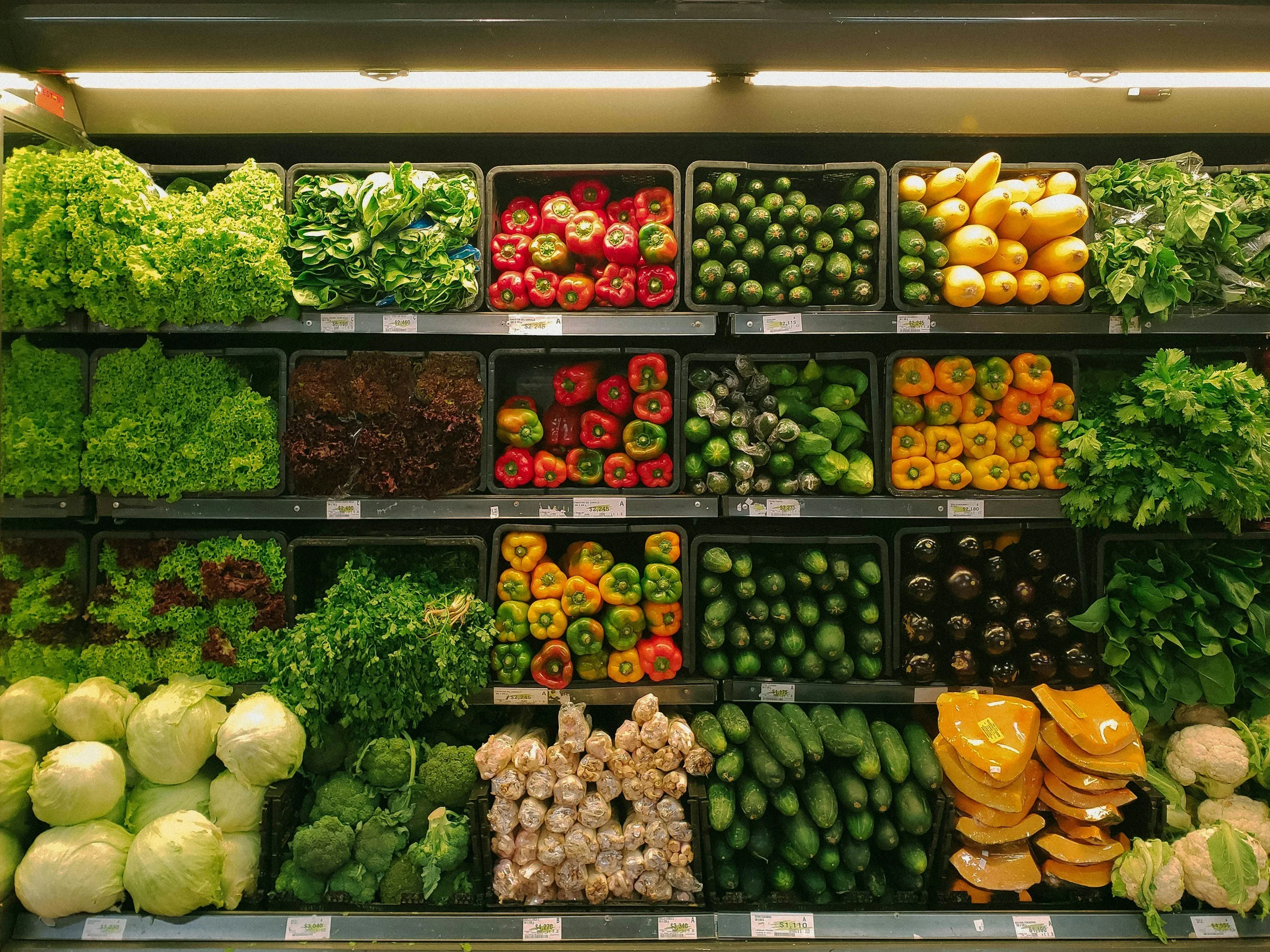
Grocery stores operate on razor-thin margins and face exposure to energy price volatility. Even well-run retailers often overlook the significant energy costs associated with refrigeration, lighting, and HVAC in grocery stores. The key is to reduce energy waste and reinvest savings into revenue-generating initiatives, such as improved technology and personalized marketing.
Tips to Increase Grocery Store Profitability
Successful grocery stores and co-ops operate on the same razor-thin margins as most grocers, but seek proactive, long-term cost-reduction strategies that make promotional and supply chain enhancements more impactful. Improving grocery store profitability requires a multifaceted approach that includes strategic pricing and promotional efforts, optimized operations, and a forward-thinking approach to relatively fixed costs like energy.
Four Ways to Increase Grocery Store Profitability
There’s more to running a profitable grocery store than keeping the shelves stocked and slashing prices. Here are five tips to boost grocery store profit margins amid energy volatility and supply chain disruption.
1. Invest in energy efficiency. Energy costs represent up to 15% of a grocery store’s operating budget. It’s the second-largest expense after labor at an average of $4 per square foot annually. The EPA estimates that a $1 savings in energy costs equates to $59 in increased sales.
Where to start: Look at your commercial refrigeration needs, research relevant HVAC upgrades, and invest in on-site solar to meet a significant share of your facility’s energy requirements.
Read more: CASE Study: Oryana Community Co-op’s Rooftop Solar Panels
2. Invest in private label. Private label brands continue to gain market share in the US, driven by persistent grocery price inflation and shifting consumer habits. Retailers like Costco, Aldi, and others have made in-house or private-label brands a priority through promotional pricing. Mix private-label products with name-brand value packs, timely promotions, and targeted campaigns to attract customers seeking low prices for products with inelastic demand.
Where to start: Include private label products on in-store signage and marketing materials to increase awareness. Emphasize high-volume, inelastic purchases like eggs, coffee, and bread as an accessible entry point for consumers.
3. Invest in technology. The right inventory management, ordering, and restocking practices can yield significant cost savings. Most platforms offer real-time insights that improve labor planning and boost efficiency.
Where to start: Focus on reducing shrink on perishables with grocery inventory management tools.
4. Invest in personalized marketing. There are several grocery point-of-sale (POS) systems that enable stores to create highly personalized marketing based on past and anticipated purchase habits. Often paired with customer loyalty programs, these tools combine inventory management, product recommendations, and incentive-based promotions that increase foot traffic, retain customers, and increase average cart values.
Where to start: Offer customer loyalty points and incentives based on recent purchases with personalized messaging and products.
Are Grocery Stores Profitable?
Most grocery stores are profitable, though net margins are in the low single digits. While average profit margins vary by department (center store, produce, meat, etc.), there’s very little room for error. Nationally, the average grocery store profit margin is between 1% and 3%. In many stores, specialized departments like produce, deli, or bakery drive the majority of profit.
Labor costs, energy expenses for HVAC, refrigeration, and lighting, and supply chain challenges all impact profitability. Grocery stores are highly sensitive to oil price spikes, weather-related events such as droughts and hurricanes, and geopolitical uncertainty.
Invest in Your Grocery Store’s Profitability with Keen
Grocery stores are a vital component of any thriving community, providing access to food and other products that households rely on every single day. Keen helps forward-thinking grocers lower energy costs, unlocking capital for revenue-driving operations and financial stability. Take control of your facility’s energy future with a commercial energy audit; contact our team to get started.