
How the Largest Automotive Dealership Groups Lower Operating Expenses
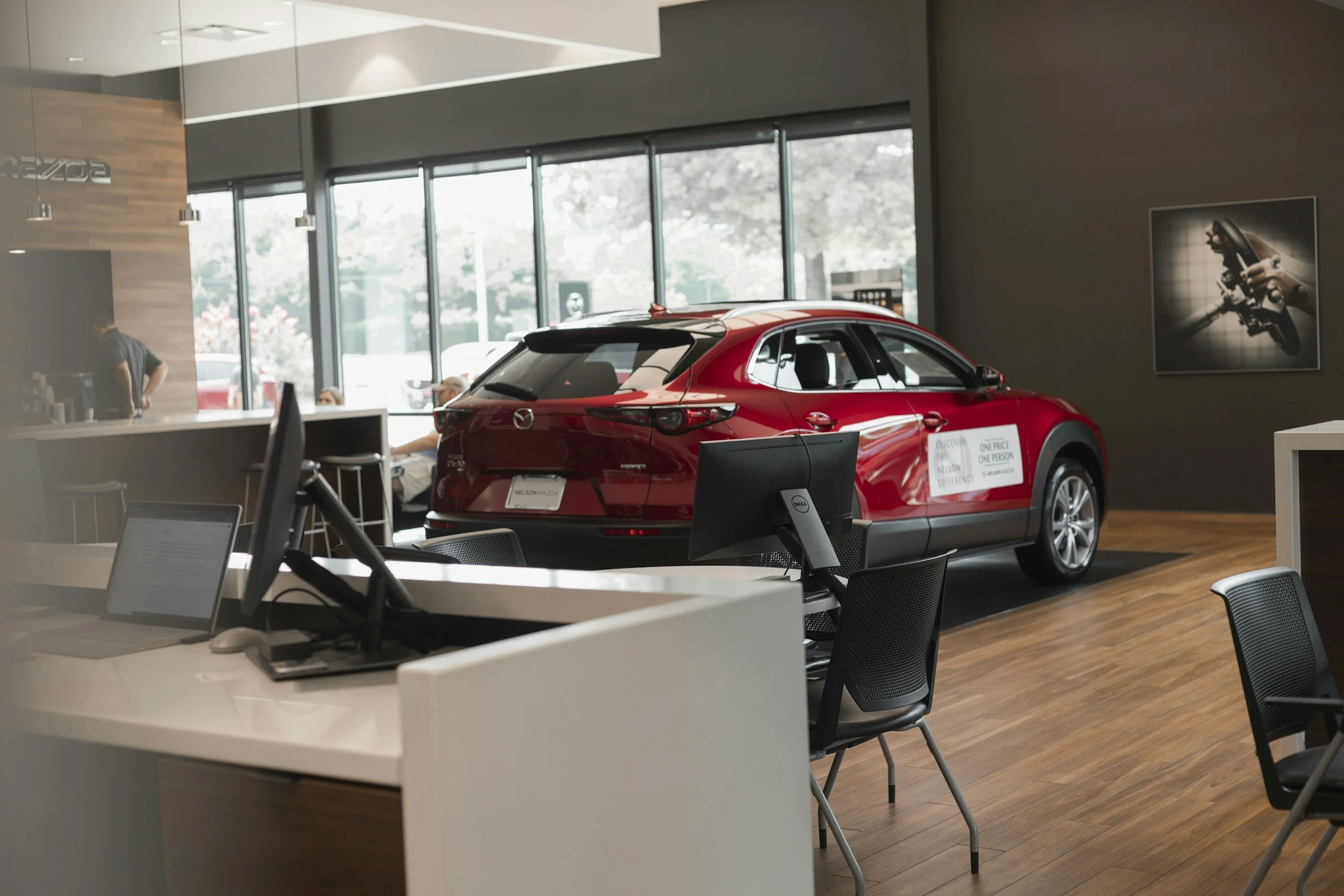
Auto dealership profitability is heavily impacted by relatively fixed costs. Month after month, quarter after quarter, inventory turnover, labor, and showroom-related expenses such as lighting and HVAC are sizeable line items in your accounting. It should come as no surprise that many of the auto dealerships we work with want to lower those energy costs as much as possible.
Revisit the key car dealership operating expenses your team can lower to improve dealership profitability and provide customers with a superior shopping experience.
The Largest Operating Expenses in an Auto Dealership
Improving auto dealership profitability starts - and ends - with inventory, although there are additional categories that provide less efficient returns.
The Cost of Goods Sold (COGS) number represents the single largest operating cost for any dealership, often consuming between 70-80% of revenue.
Personal Cost: Salaries, commissions, benefits and bonuses incentive sales performance, but are typically the second-largest source of operational spending.
Fixed Costs for Auto Dealership Operations
Rent/Lease/Mortgage: The cost of securing a showroom, service bays, storage, and other facilities is a high fixed cost.
Insurance: Dealership, liability, and related business insurance coverage are a big and increasing cost of doing business, especially paired with state-mandated dealership licenses and surety bonds.
Utilities and maintenance: You’ll note that how well you maintain your building and how efficiently you power ongoing operations are major expenses. Still, one of the few decision makers can actually control.
Other common dealership costs include technology (such as a Dealer Management System) and software, as well as marketing expenses.
What Is Dealership Profitability?
Dealership profitability is a metric that measures the net profit on sales for both new and pre-owned vehicles. It includes all costs and profits associated with business operations, including financing and servicing (revenue) and marketing and labor costs (expenses). The average auto dealership has a net profit margin of 5-7%, or about $1,870 to $3,284 per sticker price. That’s a notable increase from the 3.9% reported by the National Automobile Dealers Association (NADA) as recently as Q4 2023.
3 Tips for Improving Auto Dealership Profitability
Depending on the unique needs of individual dealerships, the path to increased profit margin varies. Multilocation dealerships have additional flexibility in rotating inventory, focusing labor or service resources in a single location, and leveraging the advantages of scale. No matter where your dealership lies on the industry spectrum, these are a few practical steps to increased fixed operations profitability.
1. Focus on Used Vehicle Sales
New-vehicle profit margins are low and continue to show signs of being squeezed. Some of the largest automotive groups in the country balance new-car sales with a high-turnover used-vehicle inventory to generate cash flow and appeal to a wider consumer base.
The average used car sits on the lot for 45 to 60 days, with an ideal turnaround of about 30 days. Time is money, and most used vehicles see a price drop once they’ve been around for 30 days, unless it’s a relatively in-demand make or model.
One tactic is to discount early; another is to move unsold used vehicles to auction quickly. Both options are effectively designed to realize losses rapidly. This is a smart, efficient solution for keeping inventory small, maintaining steady cash flow, and offering attractive options for consumers.
2. Lower Operational Costs
Some operational costs can be difficult to trim; you need the best sales and service teams possible to compete, and taxes, insurance, and licensing aren’t exactly negotiable. Energy efficiency offers an exceptional return on investment and is often subsidized through utility, state, or federal tax credits and rebates.
From upgraded, energy-efficient lighting to on-site solar for auto dealerships with high utility costs, Keen Technical Solutions can help you identify the most cost-effective actions and source any rebates your dealership qualifies for.
3. Delight Customers
Car buyers are often loyal, long-term customers when they have a positive experience. Successful car dealerships usually convert a brand's love (for example, Traverse City loves its Subarus) into a close connection with the dealership itself. Offer highly-personalized interactions in-person and online, transparent pricing, and post-sale support.
A well-lit, inviting showroom helps, too. Upgraded exterior lighting also attracts customers during the shorter days of fall, winter, and early spring, offsetting slower times of day.
We Grow Your Business Because We Know Your Business
Keen Technical Solutions has helped dozens of car dealership groups improve profitability and lower their environmental impact through superior energy efficiency. Find the competitive edge that sets your organization apart; discuss more car dealership improvement ideas and opportunities with a Keen energy consultant today.