
How Commercial Solar Panels Are Priced
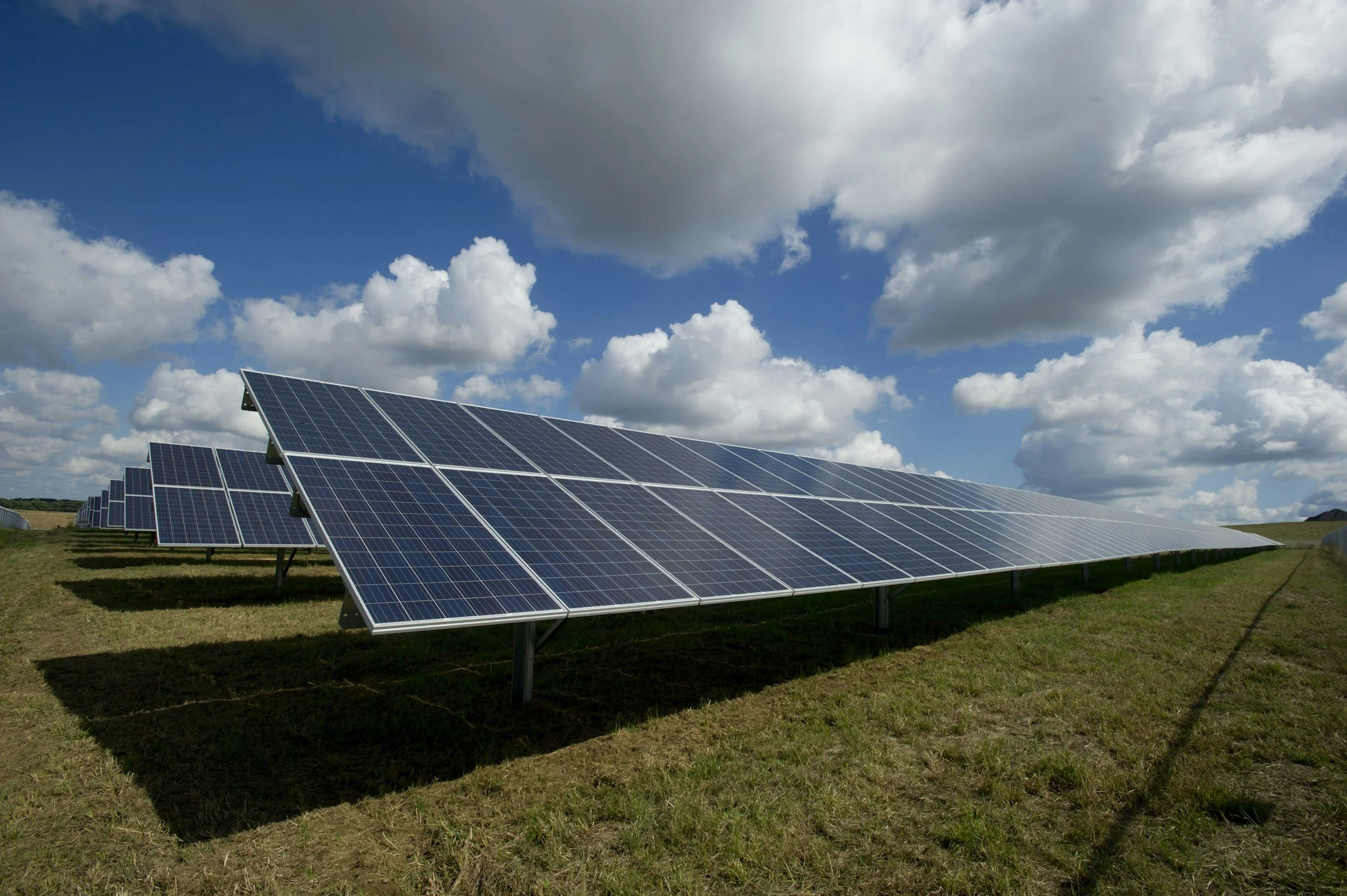
The world’s biggest solar panel manufacturers are tasked with building low-cost products that are durable, upgradeable, and competitive with other forms of energy generation. Setting a price for solar panels is no small feat in today’s dynamic economy, with trade policy, tax credits, and rare-earth mineral prices combining to keep input costs unpredictable.
Name Your (Solar Panel) Price
Many factors determine the price for commercial-grade solar panels. For business owners, the retail price is a reflection of several measurable, relatively static variables, such as:
System size, often based on electricity usage and available installation square footage
The type of panels, inverters, and racking (mounting) systems
Labor and installation costs
Commercial solar panel manufacturers must establish wholesale and retail panel prices in a climate of general uncertainty, where production costs are highly volatile and changing tariffs add expense and uncertainty.
Solar Panel Production Costs
Like any manufacturer, solar panel companies’ primary production costs are materials, distribution, labor, and technology.
What Materials are Used to Make Solar Panels?
There are dozens of distinct materials and rare earth metals used to make solar panels.
Solar Panel Frames
Aluminum is the most common material for solar panel frames because it is light, durable in most climates, and relatively cost-effective. Unfortunately, aluminum tariffs increased dramatically in 2025, rising from 25% to 50% and removing most exemptions for countries. The tariffs, which apply to most, but not all, aluminum products, have made US production of solar panels extremely difficult.
Solar Cells
Solar cells are made from purified silicon and designed to absorb sunlight. The silicon solar cells are then encapsulated in ethylene vinyl acetate (EVA) and sealed between tempered glass and a polymer backsheet.
What Rare Earth Metals Are Used in Solar Panels?
Rare-earth minerals play a minor but important role in enhancing inverters and improving efficiency. Cerium, dysprosium, and lanthanum are sometimes used in solar panels, but the most prevalent materials are aluminum, silicone, and copper.
Rare earth metals are also used in battery energy storage systems (BESS) and throughout the grid.
Read More: The Impact of Tariffs on LED Lighting Costs
The Right Stuff, Built to Last
Finding durable materials for solar panels is critical to maximizing energy generation and the equipment’s effective lifespan. Commercial solar panels have an average lifespan of 25 to 30 years, though even high-quality panels degrade at a rate of 0.3% to 0.5% annually.
Most commercial solar systems maintain an 80-85% efficiency rate through their expected lifespan, though supporting equipment like inverters typically requires replacement after 10-15 years.
Maximizing the lifespan of solar panels has functional and financial implications. Businesses can deduct costs over five years using the Modified Accelerated Cost Recovery System (MACRS). Still, the depreciable basis must be reduced by 50% of the Investment Tax Credit (ITC) claimed each year.
If you install a $50,000 system with a 30% ITC, you need to subtract $7,500 from the $15,000 ITC credit.
Make the Numbers Work with Keen Technical Solutions
From equipment costs to installation, Keen Technical Solutions makes sourcing high-quality, cost-effective solar panels and designing an efficient system easy. We work with forward-thinking businesses that understand how important energy efficiency is to their bottom line - and the planet. Let our experienced team explore financing, tax credits, and sourcing solutions for your next energy upgrade; get in touch to speak with an energy consultant today.