
Haven’t Heard of Uninterruptible Power Supply Systems? You Will Soon
Businesses in every vertical need energy. From small retailers to international manufacturers, commerce relies on steady, reliable, and affordable energy, and maintaining reliable access has been a fixture of business decision-making and public policy for centuries.
That’s why an increasing number of commercial and industrial facilities are investing in uninterruptible power supplies and standby power systems to keep operations running smoothly.
What Is an Uninterruptible Power Supply System?
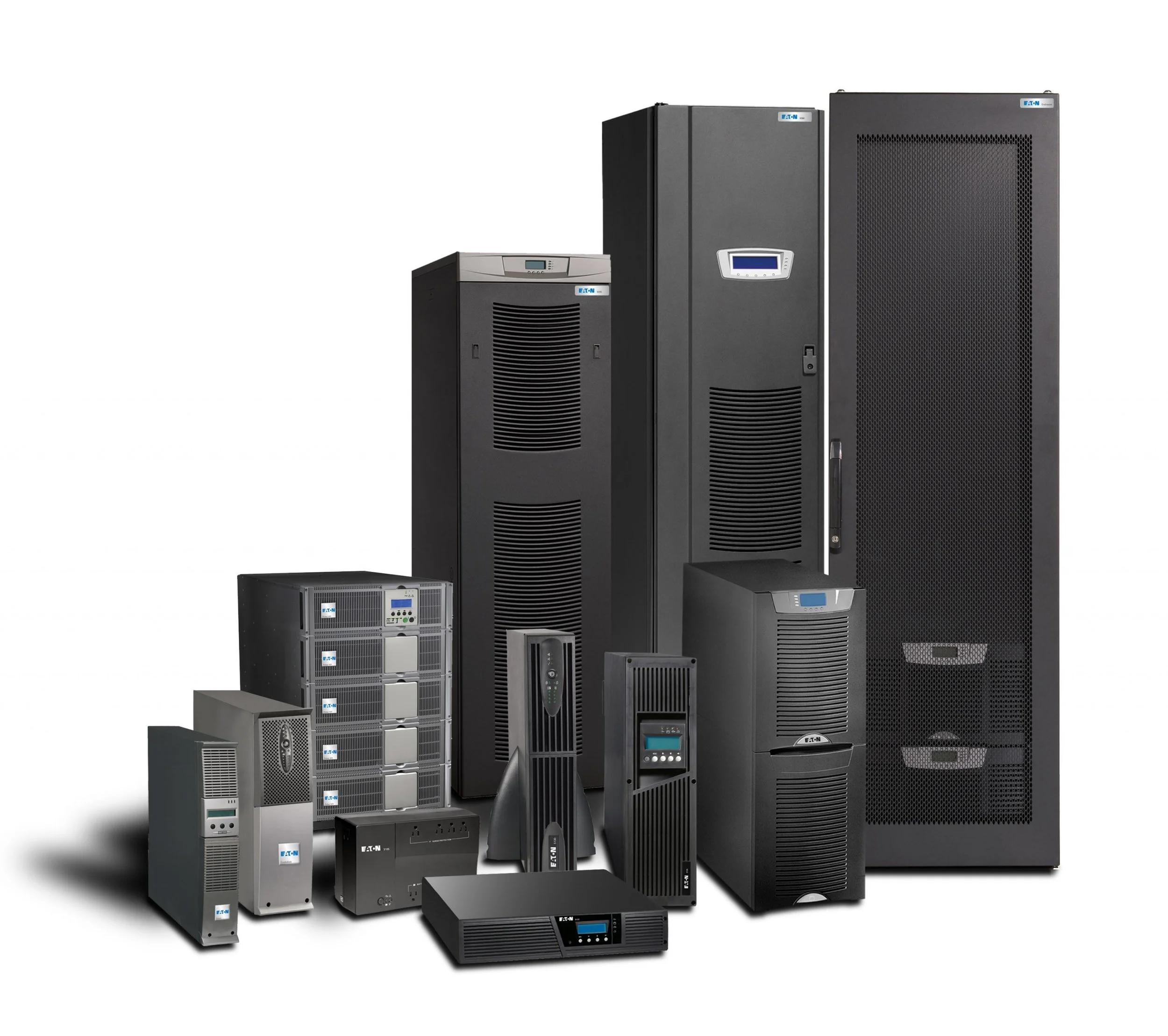
An uninterruptible power supply (UPS) is a device that provides instantaneous battery-backed power to equipment and lighting when the main power sources fail. Various scales and types of uninterruptible power supply systems are available to support a wide range of critical systems.
How Does a UPS Work?
Imagine a hotel is at max capacity during the busy summer travel season. A storm knocks out power - the lights go out. A UPS system detects the outage instantly, switches to its own batteries, and keeps the lights on until power is restored. Most systems operate so seamlessly that building occupants may not even know utility power is lost.
The Benefits of an Uninterruptible Power Supply
As you’d expect, uninterruptible power supplies and standby power systems offer businesses several benefits, including:
Preventing data loss due to power surges or power loss
Keeping building occupants safe, with ample lighting and powering critical systems
Allowing services and operations to continue
Read more: How Utility Companies Really Work
Types of Uninterruptible Power Supply Systems
UPS devices are broadly sorted into three primary categories:
Standby: Also known as offline, standby UPS devices allow utility-based power until a power issue is detected. In the event of a spike or outage, the UPS provides battery backup until the utility connection is restored. This is the most common type of UPS and is widely used for home computers and light commercial use.
Line-interaction: These devices use an automatic voltage regulator (AVR) to address and even fix minor voltage fluctuations without switching to battery power. These also have battery backup capacity, usually enough to provide several hours of use. Line-interaction UPS systems are common in offices and other light commercial applications.
Online: Also known as double-conversion, online UPS devices continuously convert power from AC to DC and back, offering zero transfer time. This level of protection is reserved for heavy commercial and industrial uninterruptible power supply systems.
Common Uninterruptible Power Supply Applications
UPS devices are found in a wide range of facilities across industries. With more types of businesses reliant on internet access, on-site data storage, and complex electrical equipment, we’re integrating UPS equipment into many of our development projects.
Key Applications for UPS Devices
Data centers: Data centers and other IT-related infrastructure rely on UPS systems to protect servers and network equipment during power failures.
Healthcare: Hospitals and medical facilities use UPS systems to keep life-critical equipment running during catastrophic weather events and power outages.
Industrial: Uninterruptible power supply systems allow businesses reliable power to prevent downtime and protect sensitive manufacturing equipment from power surges.
Banking: Banks and financial institutions use UPS devices to ensure electronic transactions always go through and to protect ATMs and servers during outages.
Telecommunications: Communication companies need UPS devices to maintain their infrastructure, such as fiber-optic relays and cell phone towers.
The Growing Uninterruptible Power Supply Market
Valued at $9.9 billion USD in 2025 and expected to average a 4.11% CAGR through 2035, the UPS market is growing steadily. Asia has seen the fastest expansion as more countries electrify and invest in data centers, while offline devices still reflect the majority of market value. T
hese devices do have some technological shortfalls that have slowed adoption outside of facilities where their use is often required.
Cost: These systems are often expensive, though prices are coming down for most offline products, benefiting small commercial facilities such as hotels, office buildings, and schools.
Ventilation: Some systems emit fumes that require dedicated ventilation.
Maintenance: These devices also require regular inspection and maintenance, adding to the time and financial cost of initial acquisition and installation.
Does My Facility Need an Uninterruptible Power Supply System?
If your business or facility can’t take a day off, yes. A UPS system prevents costly downtime, data loss, and equipment damage that may also compromise the safety of your team or building occupants. Additionally, UPS systems are often required in many healthcare and industrial environments for critical operations.
Find Out If A UPS System Is Right for Your Facility
UPS devices offer business leaders a degree of protection against electricity supply volatility, weather events, and other costly delays. Keen Technical Solutions will help you decide if a UPS device is a smart investment for your organization. If so, we’ll source and install the equipment, then train your team to maximize its effectiveness, keeping your people safe and operations humming. Get in touch to speak with a Keen energy consultant today.