
Data center energy usage has been in the headlines since ChatGPT was unveiled in 2022, leading to both increased demand and rising costs for ratepayers. Data center investment, from new construction to expansion and upgrades, has been a massive financial boost for investors and a windfall for industry insiders and aligned companies. Unfortunately, many small business owners and residents have felt the effects of data center construction differently: increased electricity costs.
While artificial intelligence may be a long-term benefit to business owners, its current growth stage has put additional cost pressure on commercial and residential rate payers alike. To understand why, it’s important to understand why data centers use so much electricity, where they get it, and who really pays for their electricity consumption.
Data Center Energy Consumption Trends Up
Using data from the EIA and other regional outlets, Goldman Sachs forecast US data center power demand to more than double between 2025 and 2027, eclipsing 66 GW.
External factors may throw off that forecast; between 40-50% of data center capacity will come online on schedule due to regulatory delays and project cancellations, leading some experts to use the term “ghost projects” to indicate data centers that will never actually be built.
Why Do Data Centers Use So Much Electricity?
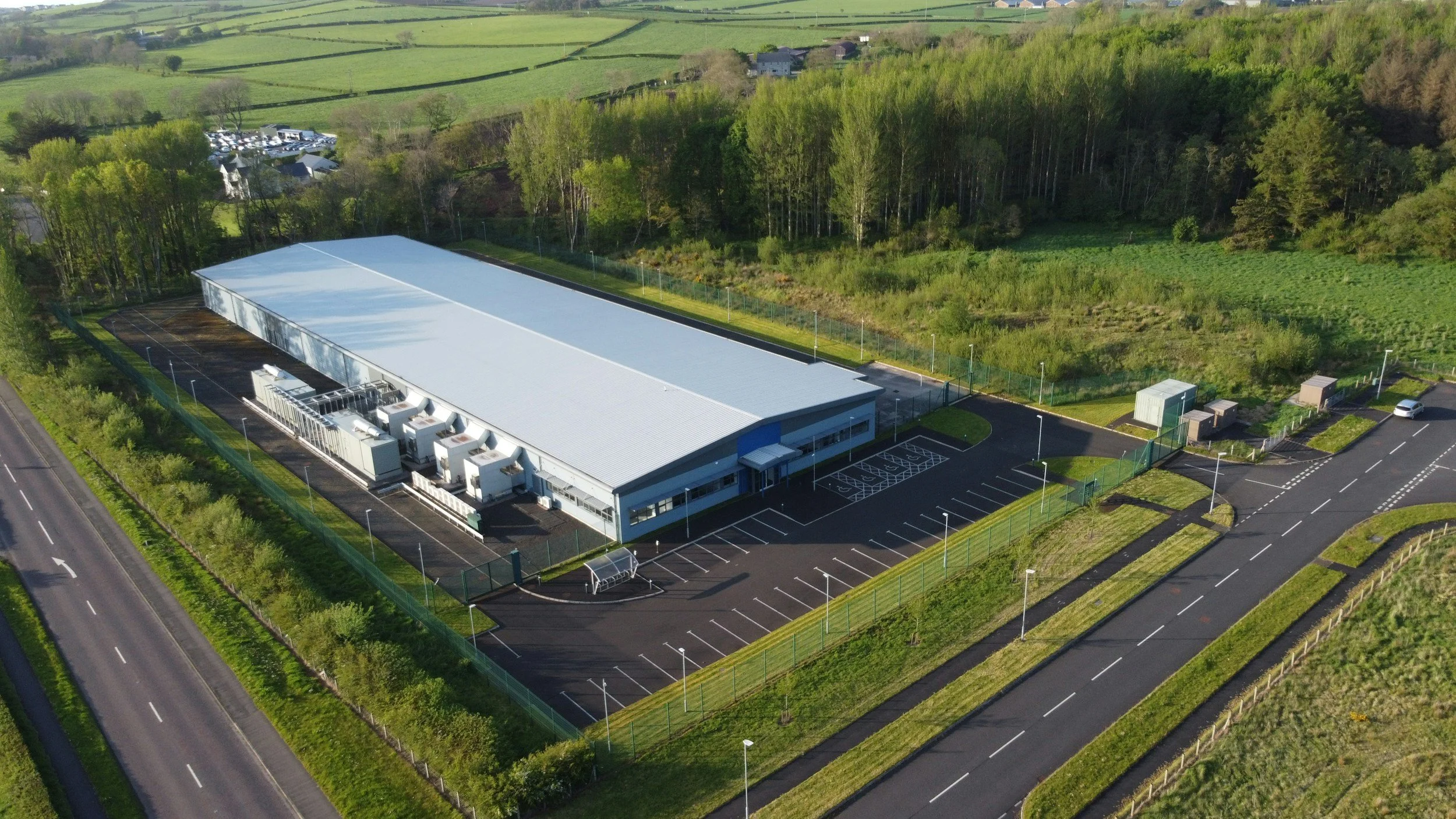
Data centers operate thousands of servers using high-performance GPU chips 24 hours a day, 7 days a week. These servers are always on and generate an incredible amount of heat, which forces data centers to introduce creative cooling solutions. Data center facilities use large commercial air-conditioning units, water-based cooling systems, or both to prevent hardware from overheating.
It’s important to remember that artificial intelligence computation requires significantly more power than traditional computing. Training AI models and meeting user demand are energy-intensive; a GPU rack uses up to six times more power than an older server setup of the same size.
Surging Power Demand
After decades of stagnant electricity demand, US consumption spiked in 2022 and continues to rise. Power demand from data centers is expected to increase by up to 165% by 2030 (from 2023 levels); it could account for 13% of global power consumption by the end of this decade. That would put total US data center energy usage at roughly 580 TWh by 2028, though improvements in energy efficiency and chip design may lower that total.
How Do Data Centers Get Power?
The majority of the electricity consumed by data centers comes directly from the grid, which is why communities and regions with an established data center presence have higher electricity rates. Bloomberg found that areas with a high concentration of data centers saw electricity prices rise 267% in the past five years.
Negative public sentiment, local regulations, and resilience efforts have led many data centers to develop workable on-site power generation. For data centers, having their own natural gas turbines, solar and wind arrays, and hydrogen fuel cells - or all of the above - allows for flexibility, especially in areas with storm or blackout risks.
Several data center projects have also explored restarting nearby nuclear plants, many of which were closed over the past three decades. Nuclear power is a viable option for data centers, but most projects are years or even decades away from being stood up. Introducing nuclear capacity along with a data center may ultimately face too much negative public pushback to be feasible in many areas.
Related: Know Your Electric Company
How Much Do Data Centers Raise Electric Bills?
The impact of data centers on ratepayers varies by location, utility provider, and other factors. As noted previously, proximity may be the most important factor; prices rose over 200% in regions with multiple data centers operating in the area in just 5 years.
Expanded data center construction in many parts of the US is expected to increase average electricity bills by 8% to 30% by 2030.
PJM, a utility serving 14 mid-Atlantic and Midwest states with many data centers, increased residential bills by $16 to $18 per month in Ohio and Maryland.
Invest In Your Energy Environment
Smart business owners and facility managers are doing what they can today to mitigate the impact of rate increases tomorrow. Keen Technical Solutions offers an array of commercial energy services to identify savings that have a real impact on your bottom line. From HVAC upgrades to lighting, we offer solutions that save your organization money and meet your sustainability goals.
Contact us today to speak with an energy consultant and take control of your energy use!