
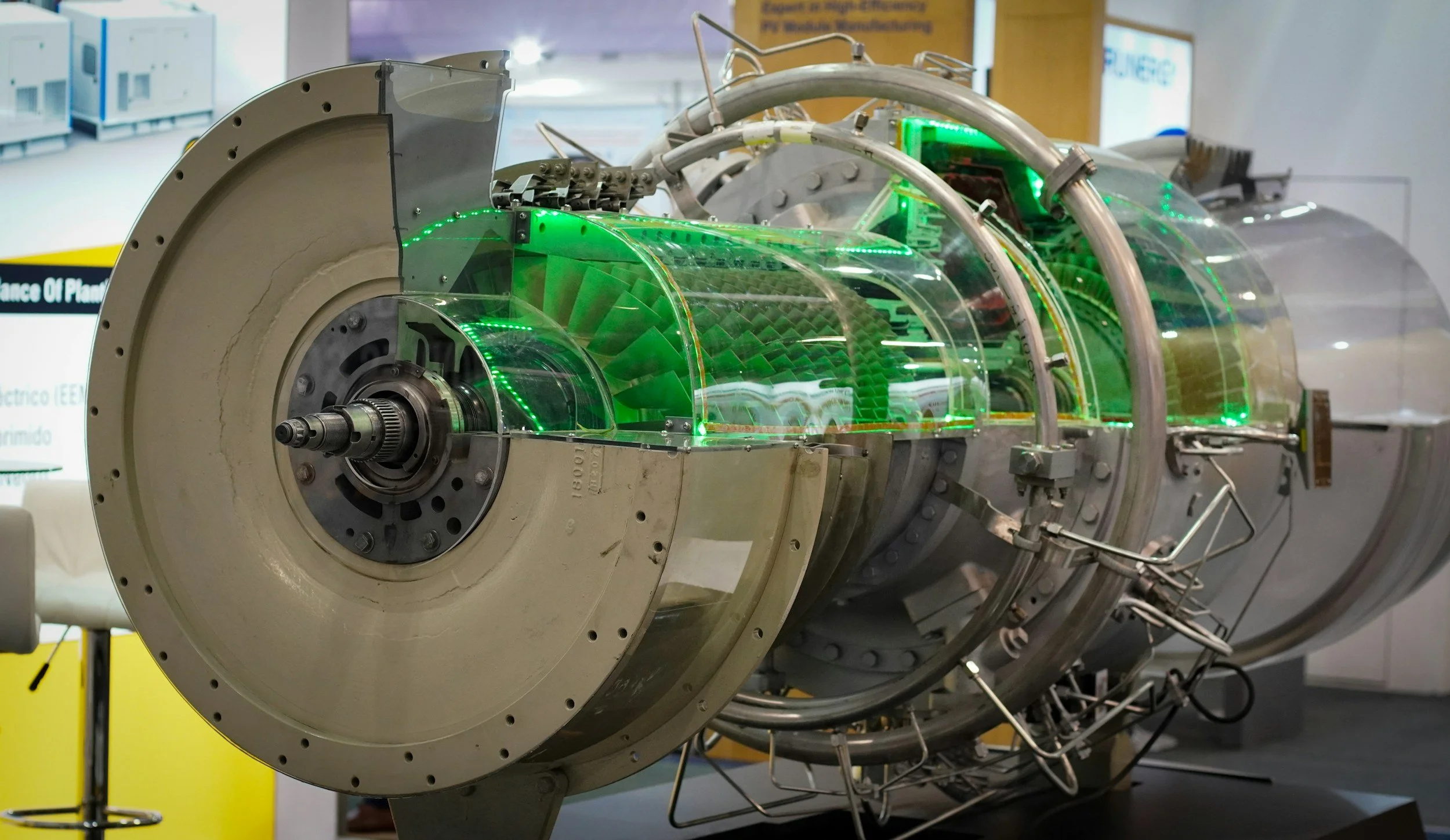
Combined heat and power (CHP) offers cost-effective energy generation, enhancing existing energy efficiency programs in commercial and industrial facilities. Once limited to a few fuel types, today’s CHP systems utilize a wide variety of inputs and continue to generate impactful bottom-line returns for forward-thinking businesses.
Learn more about CHP technology and how it’s helping businesses lower energy costs and meet sustainability goals.
What Are Combined Heat and Power Systems?
Also known as cogeneration, CHP systems generate thermal energy (heating or cooling) concurrently with electrical or mechanical power. It is considered a type of distributed generation, often at or near the point of consumption.
Examples of CHP Applications in Manufacturing
Cogeneration systems are used in myriad industries, from hospitality to healthcare, with outstanding potential in energy-intensive fields like manufacturing.
Chemical manufacturing: Facilities use CHP systems in gas turbines with Heat Recovery Steam Generators to provide electric power.
Paper mills: Pulp and paper manufacturers use steam-turbine CHP systems to generate process steam to offset their electrical load.
Metal processing: Gas recovery CHP systems capture waste heat as exhaust and generate electricity or steam.
The Benefits of CHP Technology
Cogeneration offers tremendous upside due to its ease of deployment, relatively low cost, and adaptability to nearly any facility or setting. Most CHP systems operate at 65-75% efficiency; when these systems are installed separately, they average a combined efficiency closer to 50%.
The result of improved efficiency - burning less fuel per unit of total energy output - leads to lower emissions and improved air quality. It also provides a reliable source of power during grid outages and, in many gases, a degree of fuel flexibility, since systems may operate on biogas, biomass, hydrogen, or other alternative fuel types.
Read more: How to Reduce Industrial Energy Waste
Cogeneration at Grid-Scale
The majority of cogeneration systems operate at the facility or campus level, though the technology has scaled to district and microgrid power plants.
Is My Facility a Good Fit for CHP?
Does your facility have electricity reliability issues?
Are there severe consequences if your electricity supply were interrupted? Think safety, business, or health impacts.
Does your organization have established sustainability goals?
Are energy costs negatively impacting your business?
Does your facility handle significant thermal loads?
Do you expect to replace or upgrade your plant equipment in the next few years?
Do you plan a building or campus expansion in the next few years?
If you answered “yes” to any of these questions, learning more about CHP technology could provide the answers you need.
Learn More About Commercial and Industrial CHP Units
Keen Technical Solutions is a leading energy efficiency group with extensive experience in cogeneration systems. From discovery and design to installation and education, Keen is your full-service partner. Start your project by contacting a Keen energy consultant today!