
Understanding Commercial vs. Residential HVAC Services
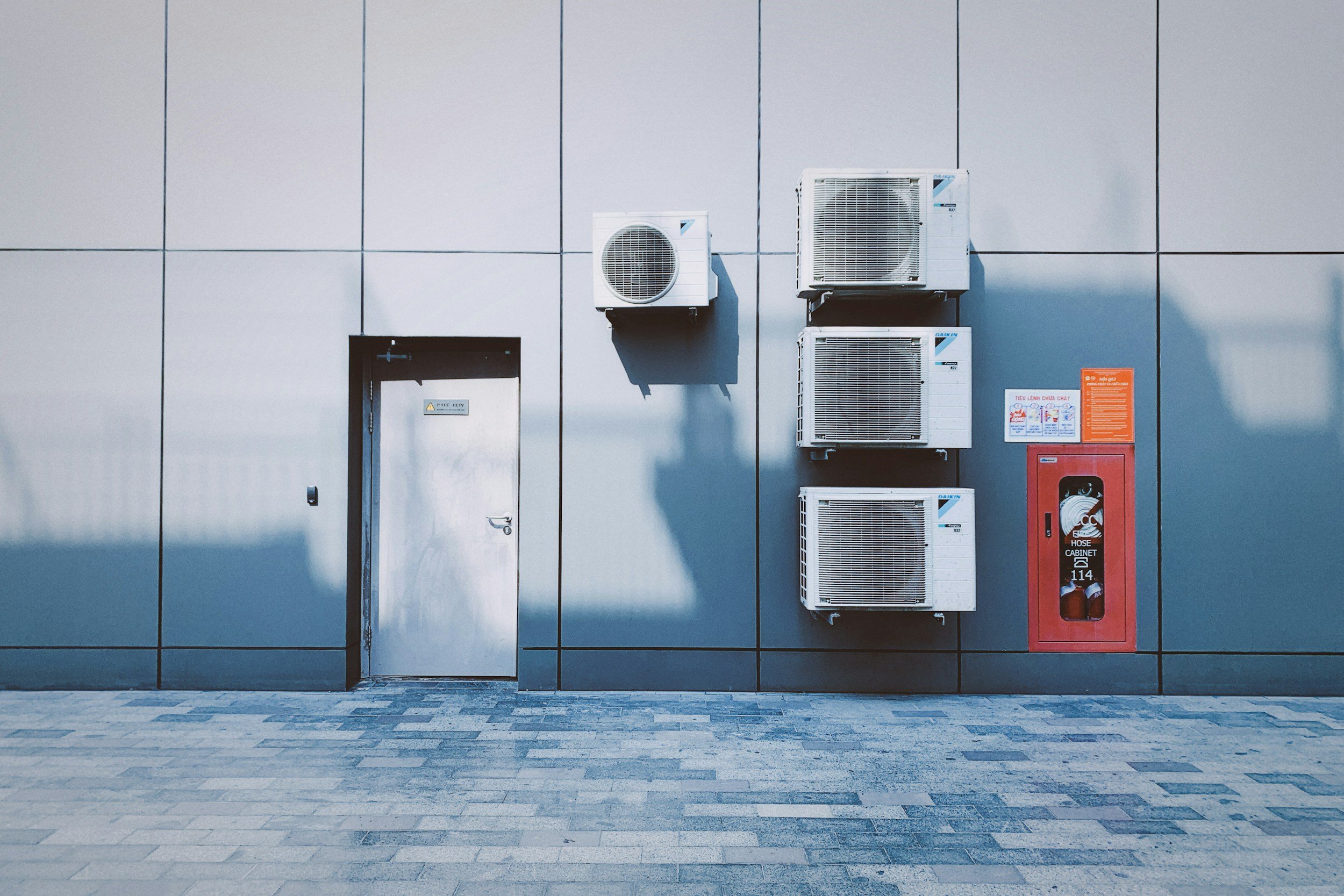
At home or in the workplace, heating and cooling systems are essential for keeping occupants safe, comfortable, and productive. While the needs may be the same, the difference between commercial and residential HVAC systems grows in direct relation to the facility’s size and complexity. Learn a bit more about the size, capacity, and repair differences between commercial and residential HVAC, and how to choose the right contractor for your business.
Commercial vs. Residential HVAC: What Sets Them Apart
Four key differences separate most commercial and residential heating and cooling systems. Even if they function the same way, each environment has unique demands.
1. Scale. A residential heating and cooling system in a single-family home needs to keep roughly 800 to 3,000 square feet comfortable. The average US home is about 2,300 square feet, while older homes are closer to 1,800.
2. Function and variability. The energy requirements of heating a normal-size home vary only slightly, in relative terms, and usually align with seasonal temperature fluctuations.
Large environments, like offices, hospitals, and retail spaces, are much, much larger and often have more variable HVAC demands. The difference is even greater in commercial environments that require refrigeration or house manufacturing or production that generates heat.
3. Regulation. Commercial heating and cooling systems must meet stricter energy, air quality, and other regulations than residential equipment. There is a range of local, state, and federal standards that often spur more advanced HVAC equipment, especially in sectors that have specific energy or climate requirements.
4. Modularity. Unlike residential systems, commercial equipment is often designed to be modular. This lets you scale the system up or down as the building’s needs change over time. This naturally leads to multi-unit set-ups that may use a rooftop unit, commercial heat pump, boilers and chillers all in the same facility.
Read More: What Is the Average Commercial HVAC ROI?
Installation Complexity
Even with the skills, training, and resources to design a complex system on paper, installing a commercial system is much more advanced than installing a residential unit. Commercial contractors not only need to tie in multiple systems and source equipment, but they often must complete installation without significantly impacting day-to-day business operations.
The complexity extends to ongoing maintenance and support, which is why so many businesses have a commercial specialist on an annual contract for repairs and inspections. Commercial teams have the right tools to provide a more thorough service appointment using computer diagnostics and closer relationships with many commercial HVAC system manufacturers.
Always Trust the Pros
Residential HVAC professionals are truly gifted and highly trained, but they may not be prepared to service complex commercial facilities. For proactive maintenance, prompt repairs, and cost-effective energy efficiency improvements, count on the experienced team at Keen Technical Solutions. Contact us today to schedule a conversation with our team.